Seed to Shelf: Our Traceability Promise
How we track every ingredient from its origin farm to the final packaged product, ensuring transparency at every step.
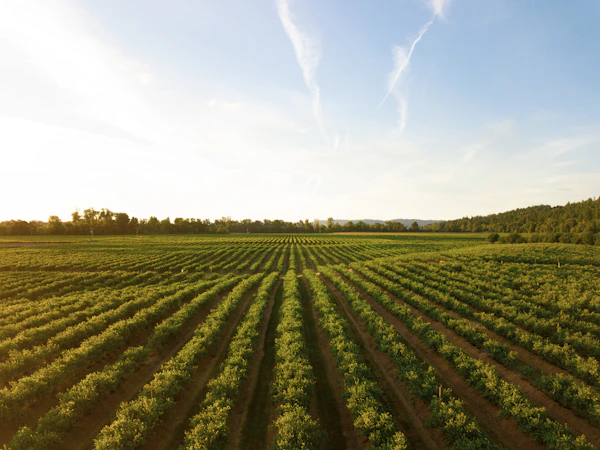
Why Food Traceability Matters
In an industry plagued by adulteration and opaque supply chains, traceability is the foundation of trust. India's spice industry faces ongoing challenges with adulteration - metanil yellow in turmeric, brick powder in chilli, starch in coriander. For consumers and B2B buyers, knowing the exact origin and processing history of every ingredient is no longer a luxury but a necessity. Traceability provides the evidence behind quality claims.
Our 5-Step Traceability System
- Farm Identification: Each sourcing partner is assigned a unique identifier linked to their location, crop type, and farming practices. Documentation accompanies every raw material delivery.
- Arrival Testing: Raw materials are tested on arrival for purity, moisture content, and contaminant screening. Only ingredients meeting quality thresholds enter the facility.
- Batch Tracking: Each production batch receives a lot number tying together the raw material source, processing parameters (temperature, duration, humidity), quality test results, and operator responsible.
- Multi-Stage Quality Control: In-process samples are pulled during production. Finished products undergo final testing before packaging. Each test result links to the batch lot number.
- Packaging Codes: Every pouch carries a batch code that B2B partners can reference. Full batch documentation including certificates of analysis, source farm details, and processing records available on request.
Quality Testing at Every Checkpoint
| Checkpoint | Test Type | Pass Criteria |
|---|---|---|
| Raw Material Arrival | Purity, moisture, foreign matter | Purity >98%, moisture <12% |
| Processing In-Line | Temperature, time adherence | Within specified range per product |
| Pre-Packaging | Full lab analysis | Meets FSSAI standards |
| Final Product | Microbial safety, heavy metals | Zero pathogens, below limits |
| Annual Audit | Third-party facility inspection | Compliance verified |
What 'Chemical-Free' Actually Means
"Chemical-free" and "pure" are easy words to print on a label. Proving them requires systems, discipline, and transparency. At Prajal, chemical-free means no synthetic pesticides used in farming (verified through residue testing), no chemical solvents in processing (steam extrusion for soya, low-temperature processing for spices), no artificial preservatives or colors in final products, and every claim backed by lab certificates available to B2B partners.
Every Prajal product carries a batch code linking to full source documentation - certificates of analysis, source farm details, and processing records.